Did you know that a group in the borough has been helping people to grow food and source ingredients for cooking locally?
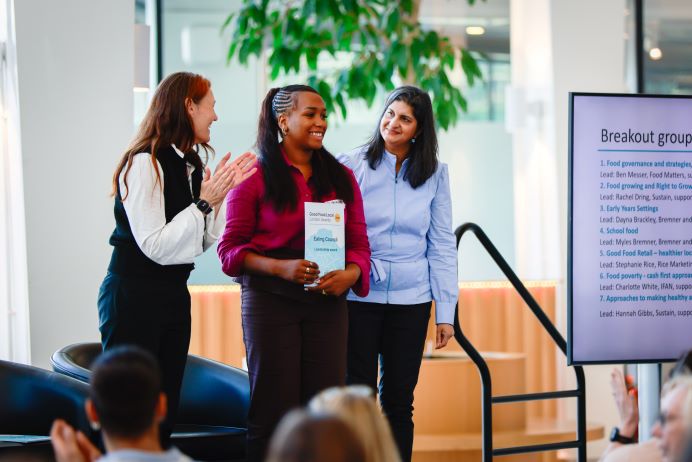
Well, the Ealing Food Partnership (EFP) has been doing this so effectively that is has scooped a ‘climate leadership’ award in recognition for its work.
The accolade was presented by Sustain, a group that works to bring together organisations and communities to create more sustainable food practices, at the event in London City Hall last month (Wednesday 18 March).
Ealing Food Partnership was set up by Ealing Council in 2022. Since then, the EFP has hosted a series of events and even introduced a food map of where to find nutritious, free or inexpensive food across the borough.
The partnership also helps to run community events with local organisations including University of West London, ActForEaling, and Ealing Transition.
Growing and sourcing food locally is important for tackling the climate crisis because it not only reduces food poverty, but also cuts harmful carbon emissions from delivery vehicles transporting food from far away.
Nicky Fiedler, the council’s strategic director of housing and environment, said: “It’s fantastic to see the important work of the Ealing Food Partnership recognised. Food is an important aspect of everyone’s day-to-day lives, and many people find it hard to balance feeding their family with reducing their impact on the environment.
“Talking about food at a community level and finding practical ways to support people is a vital part of the borough’s work to help residents respond to climate change.”
Food for the future
Eating sustainably means choosing food that is good for you while reducing the negative effect it has on the environment. This can be eating more plant-based foods, which produce fewer carbon emissions than animal products while lowering risk of conditions like heart disease, cutting down on food waste, or choosing seasonal or local options.
Thinking about ways to make your own eating more sustainable? It doesn’t need to be a huge change. You could start with one plant-based meal each week using ingredients you are already familiar with. Small swaps can reduce your climate impact while creating tasty, exciting and satisfying food.
From food banks to supermarket discounts and more, you can find lots of helpful information on the council’s website.