Poor overall health, drinking too much alcohol, and long periods of stress can all damage your liver. So, rough sleepers can be particularly prone to this problem.
That is why liver check-ups are now being made available at a Southall day centre for rough sleepers, offering vital help to people who often miss out on routine healthcare.
The tests are available through a mobile liver health clinic which is visiting Hope for Southall Street Homeless (HSSH) on a series of dates this year. The clinic offers people who sleep rough, or who have no stable home, quick health checks that many would not otherwise get.
People who sleep rough often face many barriers when trying to access healthcare. They may not be able to get to normal appointments, and some feel unsure about going to a GP or hospital. By bringing the service to a familiar place, the clinic helps people get support they might otherwise miss.
HSSH is a charity that supports people sleeping rough in the area. The liver health clinics are taking place thanks to a partnership between the charity, Central London Community Healthcare (CLCH), and St Mary’s Hospital, London.
What the clinic does
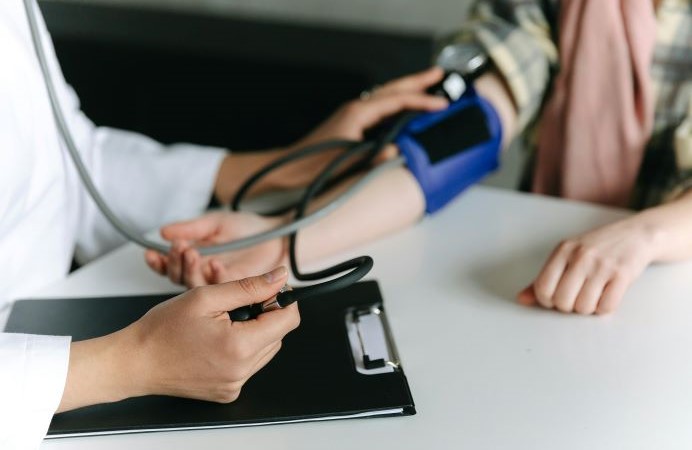
During the tests, healthcare professionals use a machine called a FibroScan to quickly and painlessly check how healthy the patient’s liver is. Doctors can use results from the scan to spot problems early, decide on treatment, and stop damage from getting worse.
Many hospitals use these scans to check for problems like fatty liver disease, hepatitis, or cirrhosis, and to keep track of someone’s treatment over time. By taking the treatment directly to potential patients, the mobile clinic can provide early help, before small issues become serious health problems. Over the last year, 72 people have attended the FibroScan clinics. If the scan shows signs of liver damage, the person can then be referred to specialists for more checks or treatment.
The liver health clinic is one of a series of medical services provided at HSSH. Thanks to agreements with a series of healthcare partners like Dentaid and the council’s public health team, other clinics have included dentistry and podiatry.
The various clinics take place on a rotational basis at HSSH’s day centre at St. Anselm’s Church in The Green on Tuesdays from 1pm to 4pm. At the day centre, partners like St Mungo’s, RISE drug and alcohol, outreach nurses, and Street Legal are available to support rough sleepers who drop in.
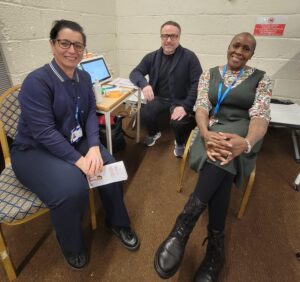
Hanan Derraz, homeless health nurse practitioner at CLCH, Richard Mallon, manager at HSSH, and Lorna Harrison clinical nurse specialist from St Mary’s Hospital.
Help for those who need it most
HSSH offers food, showers, clean clothes, and a safe space to rest. Staff and volunteers help people speak to health workers, apply for housing support, replace lost documents, and access other services.
The charity also works closely with council-funded outreach teams. These teams walk the streets early in the morning and late at night to find people who might need urgent help. They talk to people about where they can get support, including healthcare, emergency shelter, and longer-term housing.
How you can help
If you are concerned about someone sleeping rough, let Street Link know.
Want to donate to a local charity which supports the homeless? There are three in the borough:
- Hope for Southall Street Homeless – to find out how to support it, you can visit its website
- Acton Homeless Concern – find out more on its website
- Ealing Churches Winter Night Shelter – you can donate on its website
If you need support
If you are homeless or at risk of homelessness, you can apply for help from Ealing Council. Applications are monitored weekdays from 9am to 4:30pm, excluding bank holidays. If you make an application, a team member will be in contact with you within two working days.
If you need to speak to someone directly, please call 020 8825 8888 or email HomelessnessAdvice@ealing.gov.uk