
When you get your council tax bill each year, you will see a lot of numbers but perhaps wondered what they all meant in simple terms.
Council tax (as you will find out if you get to the bottom of this article) is only one source of the council’s overall budget, which it needs to allocate to important services that people depend on.
This year, Ealing Council plans to spend more than £400million on running day-to-day services, which it has to carefully manage. There are, literally, hundreds of services the council will provide with that money. Services that have ever-greater demand put on them.
Every council has a legal obligation to set a viable budget for the coming year. You may have heard that, this year, 36 councils (almost 10% of all the councils in England and Wales) had to be granted ‘exceptional financial support’ by the government. This was the only way to help those councils achieve a balanced budget and allowed them to borrow extra money or sell off assets (buildings or investments) for day-to-day spending on services.
However, careful financial management has meant Ealing Council has not had to do this. And it announced its budget for the next year recently.
Council leader Peter Mason said: “We are ruthlessly efficient with the council’s money and that allows us to continue investing in services when many other local authorities are having to cut back. We must produce a balanced budget each year and we have done so year after year.”
So, how does the money get spent?
You can watch the quick explainer video on this page and take a look at a specially-created graphic, using the power of an imaginary pizza, to help you visualise how it breaks down. But, in this article, we look at it in a bit more detail.
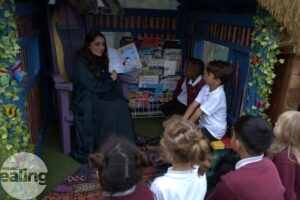
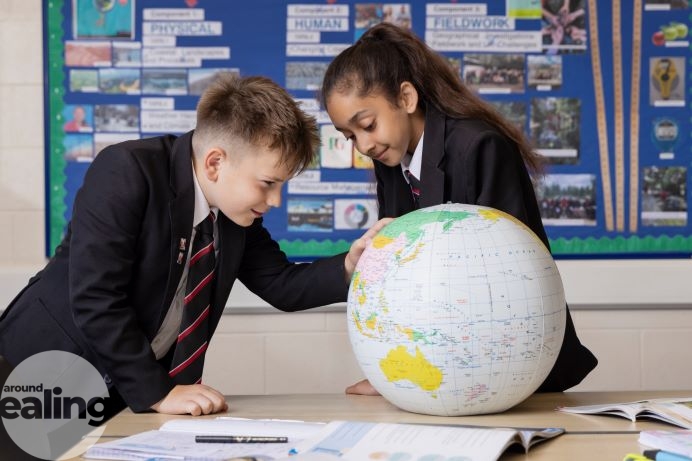
A quarter of the money the council has budgeted to spend in 2026/27 will go on services that support children. This ranges from paying for social care for young people and giving a good start in life to looked-after children; to early years support for babies and toddlers and supporting the borough’s high quality schools (Ofsted has rated 98% of them ‘good’ or ‘excellent’). And it also includes helping those children with special educational needs or disabilities (SEND), which is a growing demand; and paying to run effective fostering and adoption services.
Another 28% of the council’s spending will go on looking after adults in need of help; and supporting public health in general. This ranges from helping residents to overcome health challenges to live independently at home; to providing care for those struggling with mental health or helping those with learning disabilities to thrive and find opportunities. And, of course, it also means taking care of older people.
There’s also urgent spending needed to provide temporary housing for families at risk of homelessness and in desperate need of somewhere secure to stay. In fact, almost 7% of the council’s costs will go on paying for this essential support. It is an area of need that is rising every year, as London tries to deal with an ongoing housing crisis.
More than halfway there
So far, we have accounted for 60% of what the council will spend in the 2026/27 financial year. What about the rest?
Well, it gets close to the 75% mark (three-quarters of the total) when we add in the spending on cleaning our streets (not least because of fly-tipping), fixing potholes, recycling waste and collecting bins; and also on things like providing a CCTV network and patrols of officers to make you safer.
What else?
There are the services the council provides with other organisations to give residents a hand in upskilling, training and finding jobs. As you may have read in Around Ealing, that has helped thousands of people into work in recent years.
There are the borough’s libraries, some of which are now managed by the community. And, as an aside, there are also other things like the council’s planning service, which processes building applications – whether big or small.
So, that’s now the vast majority of the overall spending gone on frontline services.
But another 17.5% is used for other, less obvious things that the council is still required to take care of. This includes holding some money in reserve for dealing with emergencies (‘contingency funds’) because you never know when something like COVID-19 or some other problem might arise. And for repaying borrowing that paid for investment in things like refurbishing the borough’s playgrounds, multi-use games areas and more.
And it also includes almost £17million each year to cover the cost of Freedom Passes for older and disabled users of public transport.
And, of course, there’s some money to maintain and run council-owned buildings across the borough.
Separately to the £424million the council will spend on day-to-day services, it also receives £482,683million from the government specifically for the running of the borough’s schools. Almost all of this is sent straight to the schools, so we have not included it in the calculations on spending on day-to-day council services.
And where does the council’s money come from?
When you pay council tax, not all of it actually goes to the council. This year, three quarters of what you pay will go to the council, but the rest will go to the Greater London Authority (GLA) and Mayor of London.
However, the council tax that the council does receive will cover almost half (48%) of the money it will spend on day-to-day services in 2026/27.
Almost 28% more will come from the portion of business rates that the council is allowed to keep hold of.
And another 24% will come from funding from the government.
Need help or want to know more?
The council’s website has more information and advice on council tax. And also a whole section on the variety of support available for those struggling with the cost of living.