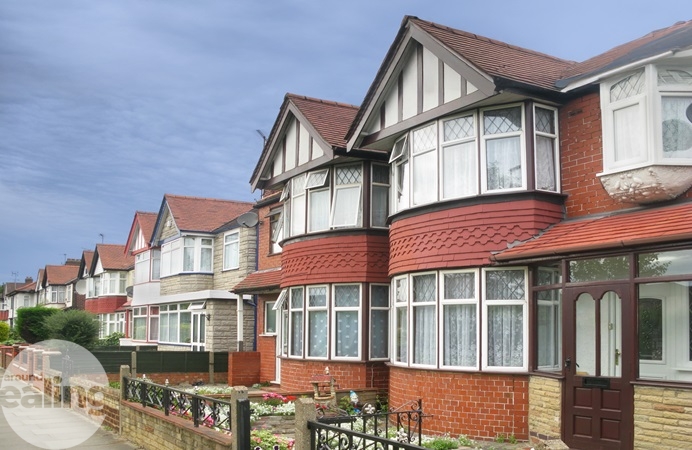
Residents, tenants, landlords, businesses, and community groups are being invited to give their views on the future of licensing HMOs in the borough.
Ealing Council is asking for opinions on its plans to continue making landlords hold a licence for owning smaller houses in multiple occupation (HMOs). The current scheme ends in April 2027, and the council is proposing to extend it for up to another 5 years – potentially taking it to 2032.
HMOs are shared homes where 3 or 4 people from different households live together and share facilities such as a kitchen or bathroom.
The licensing scheme helps make sure rented homes are safe, well managed, and meet legal standards. It is also used to deal with problems such as overcrowding, poor housing conditions, fly-tipping, noise complaints, and antisocial behaviour.
Licensing inspections can uncover problems that might otherwise go unnoticed. In 2023, inspectors visited a shared flat in Ealing after a licence application was made. They found a bed hidden behind curtains in a shared kitchen and living area. The arrangement created a fire risk and gave the tenant no privacy. The council ordered the landlord to remove the sleeping area. Without the licensing scheme, the unsafe setup may never have been uncovered.
Improving HMO standards in the years ahead
Councillor Louise Brett, Ealing Council’s deputy leader and cabinet member for safe and genuinely affordable homes, said: “We know that many people rely on shared housing as an affordable place to live. But some rented HMOs fall below the standards people should expect.
“Our inspections continue to find serious hazards, unsafe conditions, and poor management in too many shared homes. This consultation is an opportunity for everyone with an interest in private renting to help shape how we keep improving standards across the borough in the years ahead.
“Your feedback will help shape how the council approaches HMO licensing in the future and how we continue to make renting safer across our 7 towns.”
Why is the council consulting?
The current borough-wide scheme began in April 2022 and is due to end on 31 March 2027. Before deciding whether to continue it, the council must carry out a public consultation.
Evidence gathered as part of the review found that council inspectors identified 4,890 housing hazards during inspections of more than 900 HMOs over the past 2 years. Around 2 in 3 inspected properties had hazards that needed attention. The council also recorded 3,649 antisocial behaviour incidents linked to known HMO properties between April 2021 and April 2026.
The proposed scheme would continue to cover smaller HMOs housing 3 or 4 people from more than 1 household. It would also help the council inspect properties, support responsible landlords, and take action against those who do not meet the required standards.
How does licensing hold landlords to account?
Property licensing forms part of a wider programme of work to raise standards in privately rented homes across the borough.
The council carries out inspections, investigates unlicensed properties, takes enforcement action against landlords who break the rules, supports tenants facing illegal eviction or harassment, and works with responsible landlords to help them meet legal requirements. It also works closely with partners, including the police and London Fire Brigade, to deal with housing issues and antisocial behaviour.
Since April 2025, the council has issued 28 civil penalties for unlicensed HMOs and helped bring 56 unlicensed properties into the licensing system. It has also created a specialist team to deal with antisocial behaviour linked to licensed properties.
What happens next?
Take part in the consultation online.
If you need a paper copy, language support, or information in another format, you can contact the council by email at propertyregulation@ealing.gov.uk or by telephone on 020 8825 6622.
The consultation opened on 15 July and runs until 24 September 2026.
After it closes, all responses will be considered before a report is presented to the council’s cabinet. If approved, a new licensing scheme would begin in April 2027.