Increasing and protecting green spaces, wildlife and nature is at the heart of Ealing Council’s work to tackle the climate crisis.
Like the rest of the country, the borough’s 7 towns are already feeling the effects of climate change with intense heatwaves, heavier rainfall and storms a more common part of life.
Across the borough, ambitious, nature-based projects – from rewilding beavers to planting trees – are playing their part to reduce this impact and protect towns in the future.
50,000 new trees and fruit trees in every town
More than 50,000 new trees have been planted across the borough, helping to cool our streets, improve air quality and create homes for wildlife. They will also help to reduce flooding by soaking up rainwater – and provide shade during hotter summers.
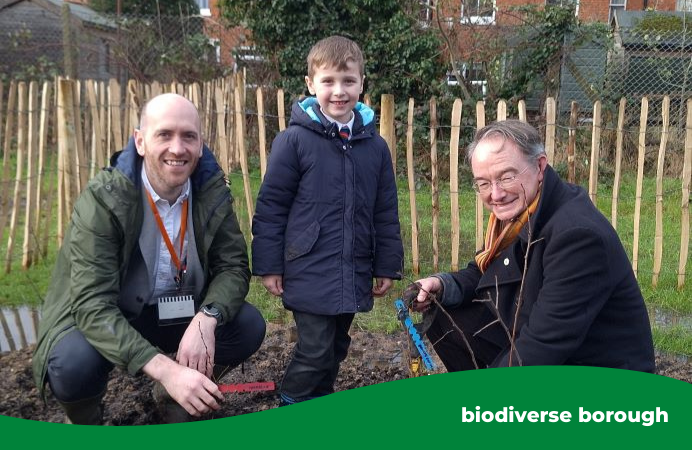
Not only that, but fruit trees have also been planted in every town, creating community orchards. Northolt has 50 fruit trees at Horsenden Hill Orchard, including apple, plum, cherry and pear. Southall has an orchard in Dormers Wells, Lammas Park in Ealing has a fruit tree orchard, and Racecourse Estate in Northolt has an apple orchard. Fruit trees have been planted at Dean Gardens in West Ealing. School children have planted more than 100 fruit bushes and trees in North Acton Playing Fields. Last month, volunteers came together to plant pear trees at Pear Tree Park in Perivale.
The council has also partnered with the charity Trees for Streets to invite residents and businesses to sponsor trees in their neighbourhoods. In the last 4 years, more than 200 new urban trees have been sponsored by residents in the borough, helping them to thrive in all weathers.
To find out more about sponsoring a new tree on your street, your children’s school or along a local high-street visit Let’s fill Ealing with trees – Trees for Streets
Rewilding
A rewilding programme has been transforming landscapes across the borough since 2022. The council is on-track to have met its goal of restoring 800,000 square metres of land back to nature this spring. That’s the equivalent of around 120 football pitches of new habitats for wildlife to thrive.
Beavers supporting natural flood management
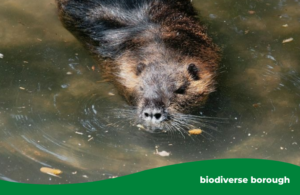
The reintroduction of beavers has been one of Ealing’s most exciting environmental milestones. Their natural engineering skills — building dams and slowing water flow — are helping to reduce flood risk, particularly in parts of Greenford, while also creating flourishing wetland habitats.
Stemming the flow
Other ways the council has been working to prevent flooding is through sustainable urban drainage systems (SuDs). Instead of allowing heavy rainfall to rush straight into drains too quickly and risk flooding, SuDs temporarily store rainwater and slowly release into drains. Pond-like SuDs have been created at Dean Gardens in West Ealing and Belvue Park in Northolt, where flooding had become a serious issue for a nearby school, mosque and homes. The SuDs scheme at Lammas Park is nearing its final stages.
Rain gardens, wildflower verges and new planting along the borough’s roads and pavements are also improving biodiversity while reducing surface water flooding and creating more attractive, cooler streets.
Preparing for climate change
The council is preparing a new climate adaptation and resilience strategy 2026 to 2038, which sets out how it can work with residents, businesses and the wider community to be better prepared for climate change.
It looks at ways to reduce the risk for those who are more vulnerable, such as the elderly and those with health issues.
Have your say on the strategy and share your stories of how severe weather may have affected you via an online survey until Sunday 29 March.