During Black History Month, a talk will shine a spotlight on a local man who had a profound effect on race relations. Dr Jonathan Oates, the borough archivist, gives some details.
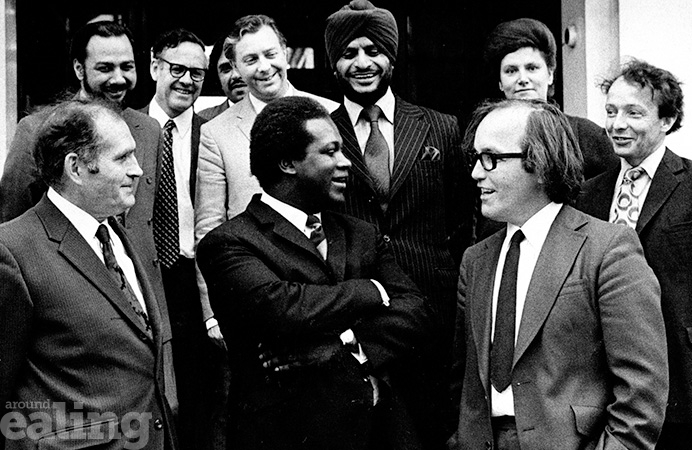
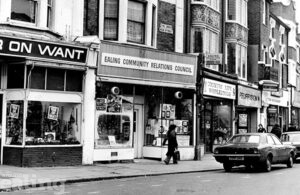
Barzey lived at 58 Clarence Street in Southall, approximately between 1967 and 1976. He was a member of the executive committee of the Ealing Community Relations Council. Funded in part by Ealing Council, this organisation was formed in 1967 and aimed to eliminate racial discrimination, and acted as advocates for dealing with officialdom, such as the police and the council. It was made up of people from all races.
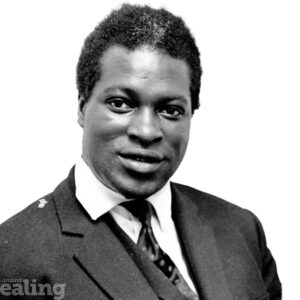
Barzey, who also worked in community relations, was chairman between 1972 and 1975, and also chaired the housing, employment and police liaison committees. He was also the secretary of the Afro-Caribbean Association of Southall and had been a member of Trade Unionists against Racism. He often wrote letters which were published in the local press and had a high local profile in the 1970s.
It was a difficult time for race relations, following the 1971 Immigration Act, described by Barzey as ‘criminal and Fascist’. There were a number of pressing issues which Barzey and his colleagues had to deal with. These included discrimination in employment leading to the lack of promotion or higher training in industry. Equality in schooling was also desired because children in Southall of Indian origin were often bussed to other schools in the borough. The ECRC used questionnaires to make findings about discrimination in employment and helped represent workers at tribunals. The residence clause for housing applicants that was imposed by the council was criticised.
Barzey approached the issue from a working class and trade union angle as well as one of colour. He argued that working people of different skin colour must unite on their shared struggle.
He deplored the colour bar at the Southall Labour Club in 1975 and invited an ANC spokesman to talk about the apartheid regime of South Africa. He was one of the Ealing delegates at a race relations conference to call in 1975 for a National Committee for Race Equality. In 1976 the Race Relations Act was passed which helped bring Barzey’s vision closer to reality.
Find out more about James Barzey
Elisia Swaby is giving a talk on this subject on 23 October at Ealing Central Library at 5:30pm.