When Alex’s mum was diagnosed with dementia, he found himself stepping into a role he had never expected to take on.
Over the years, caring for his mum has brought challenges, uncertainty and periods of isolation. But it has also inspired him to help other carers, both by supporting a new group for male carers and by sharing his experiences to help improve local support services.
Today is Carers’ Rights Day (Thursday 19 November), and Alex is encouraging others in similar situations to seek help, understand their rights and connect with others.
The borough is home to more than 24,000 unpaid carers, but only a small proportion currently access formal support services. Many may also be unaware of community groups and networks designed to support carers and improve wellbeing.
Professional role, without the skills
Alex has been caring for his mum for around 10 years, taking on increasing responsibility as her needs have changed. Like many carers, he found the Covid-19 pandemic an especially difficult period to get through.
“Covid hijacked everything,” he said. “A lot of people became isolated.”
The experience reinforced just how demanding caring responsibilities can be.
“It hasn’t been easy,” he said. “You get isolated and you’re anxious about things that may or may not happen. You’re navigating health services, social care and all sorts of care and support needs.
“For me personally, you’re taking on a role that’s almost professional, but you do not always have the skills to do that.”
Through his own experiences, Alex connected with local carers’ support services, including Ealing Carers Partnership, which receives funding from Ealing Council. This is where he found help, opportunities to meet other carers and ways to become more involved in his community.
“It made a real difference to be able to connect with people who understood what I was going through,” he said.
Through a Carers Champion volunteering role with Ealing and Hounslow Community and Voluntary Service (EHCVS), Alex became more involved in supporting other carers and helping shape local services. The opportunity connected him with organisations including Ealing Carers Partnership and gave him a way to use his experiences to support others facing similar challenges.
Helping improve services
As his confidence grew, Alex became increasingly involved in local projects designed to improve support for unpaid carers and ensure carers’ voices are heard.
One opportunity led to another when he joined a project to help shape Ealing Council’s new approach to working with, and supporting, unpaid carers.
Alex drew on his own experiences to help develop Together for Carers, alongside other carers, community groups and local organisations.
The work focused on helping carers better understand their rights, the support available to them and what to expect when seeking help.
“When I had my carers’ assessment, it happened during an emergency situation,” he said. “I wasn’t really sure what I was going to get out of it.
“A lot of the work has been about making things clearer, helping carers understand what’s available and making sure they’re listened to.”
Are you a carer?
Alex believes that many people do not recognise themselves as carers, despite spending hours each week supporting family members or friends.
“You can be helping someone with shopping, cleaning, medication, appointments or a whole range of other things,” he said. “Sometimes people don’t realise they are carers and that there is help out there for them.”
That is one of the key aims of Together for Carers, which seeks to help more people recognise themselves as carers, understand their rights and access support earlier, rather than waiting until they reach crisis point.
One of the key messages Alex wants people to take away is the importance of seeking help early.
“It’s important people know what help is available, what they might be entitled to and where they can go for advice,” he said.
‘Loneliness is a plague’
For Alex, one of the biggest challenges facing carers is loneliness.
“Loneliness is a plague,” he said. “You become disconnected. Having a support network and being able to connect with people who understand what you’re going through makes a huge difference.”
His experiences inspired him to help establish a new support group for male carers at DIG Hanwell, with support from Ealing Carers Partnership, providing a space where men can meet, share experiences and support one another in a welcoming and informal environment.
“We wanted to create a space where men could come together in confidence and build confidence,” he said.
The group is still in its early stages and currently focuses on creating a safe space for conversation and peer support. Carers can meet over a cup of tea, share experiences and connect with other men who understand the challenges that come with caring responsibilities.
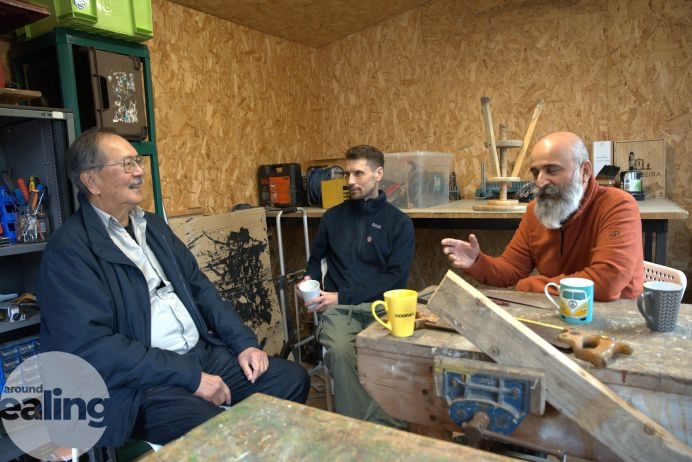
“It’s about people being able to talk and offload and knowing other people are going through the same thing,” Alex said. “Once you start opening up and realise that what you’re experiencing is actually quite common, it’s a really liberating experience.”
In future, Alex hopes the group will also organise activities and social outings, giving carers more opportunities to build friendships, develop confidence and take time for themselves.
Support is available
A carer is someone who provides unpaid care or support to a family member, partner or friend who could not manage without that help. That support can include practical tasks such as helping with shopping, cleaning, medication or appointments, as well as emotional support.
If you regularly help a family member, partner or friend who could not manage without your support, you may be a carer even if you do not think of yourself that way. Support is available and you do not need to wait until things become difficult before asking for advice.
Councillor Paul Driscoll, the council’s cabinet member for adults’ services, said:”There are thousands of unpaid carers who provide invaluable support to family members, friends and neighbours, often without recognising themselves as carers.
“Over the coming months, Together for Carers will help us take a new approach to how we recognise and support carers. While carers’ rights remain the same, we are making it easier for people to understand the support available, access advice earlier and find the right help at the right time.
“Alex’s experience shows why this matters. By working alongside carers throughout the design process, we’ve been able to shape an approach that reflects the real experiences and needs of the people we are here to support.”
Ealing Carers Hub can provide information, advice and guidance, including support to access a carers assessment and explore the help available to you.
Carers can also connect with local community organisations, including Ealing Carers Partnership, for peer support, wellbeing activities and opportunities to meet other carers.
The group for male carers meets every Wednesday from midday to 3pm at DIG Hanwell, in Green Lane, and welcomes men who are caring for a family member, partner or friend.