
Having a safe and secure roof over your head makes a huge difference to people’s lives. Whether you rent your home privately, or are a council tenant, Ealing Council has been focusing on improving housing across the borough.
Councillor Louise Brett, the council’s deputy leader and cabinet member for safe and genuinely affordable homes, said: “Everyone deserves a home that is safe, warm, and affordable. We have been backing that belief with action: investing in our council homes, raising standards for private renters, and creating better options than B&Bs for families in crisis. There is more work to do, but thousands of residents already feel the difference in their day‑to‑day lives.
“More people now live in safer, warmer, and better homes, with more improvements under way. And, with 100 new safe places created for people in need of temporary accommodation, we are building a fairer housing system for our borough.”
Supporting private renters
Many people in the borough rent privately. To help them, the council has strengthened its private rented sector licensing schemes – or, in other words, laid down stricter rules.
This means more homes now have to meet clear safety and management standards, and landlords must make sure their properties are well looked after.
Renters have also taken part in a series of renters’ rights workshops, run with community groups. These sessions have given people clear information about what they can expect from their landlord, and where to turn if things go wrong.
In 2023, the council introduced an ‘Article 4 Direction’ on houses in multiple occupation (HMOs). What this means is that all landlords need planning permission before converting a family home into any shared housing, no matter how small it might be. It helps prevent overcrowding and protects the character of local neighbourhoods.
Acting on poor housing conditions
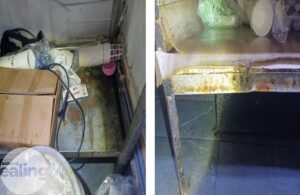
The council has stepped up its planning enforcement work. Officers have been tackling reports of unsafe or unauthorised building work, and instructing landlords and developers to put homes right.
This has helped prevent unlawful conversions of homes, protected tenants from unsafe conditions, and also made sure development happens in a way that suits local areas.
Read more on the Around Ealing news pages.
Investing in council homes
The council has made big improvements to its own housing. And 93% of council homes now meet the Decent Homes Standard, with a £425million programme under way to bring this all the way up to 100% by 2028.
Repairs and maintenance services have been improved, with new training and contractors, while safety checks across all homes have strengthened.
Earlier this year, the national Regulator of Social Housing gave the council a positive assessment, recognising the progress being made and the improvements residents asked for.
Building and buying genuinely affordable homes
Despite a difficult national situation for housebuilding, more affordable homes continue to be built in the borough. Ealing ranks second out of all 32 London boroughs for affordable housing – both in terms of being started and being completed.
Indeed, new homes are currently being handed to families or being built at regeneration sites across the borough, including Acton Gardens, Copley and High Lane in Hanwell, Northolt Grange, and Golf Links in Greenford. Some of these new homes are even being built to ‘Passivhaus’ standards, which means they are highly energy efficient and cheaper to heat.
Since 2022, the council has bought 290 new homes still under construction which were previously due to be sold on the open market. These homes can provide good‑quality, genuinely affordable to live for families on the housing waiting list.
Making homes warmer and greener
The council has continued to ‘retrofit’ existing homes to improve their energy performance, cut carbon emissions, and help reduce energy bills.
1,207 homes have already been upgraded in recent years. The programme is expected to reach 1,400 homes this year. These improvements include better insulation, ventilation, and modern heating systems.
Better temporary accommodation
The council has invested £21.2million in new, safe, self‑contained places for people who need temporary accommodation (TA). This has created 100 high‑quality homes as an alternative to B&Bs, which are not suitable for families.
Teams have also expanded homelessness prevention support, helping more people get advice earlier and avoid becoming homeless and needing TA in the first place.
Helping people away from rough sleeping
Since 2022, 470 people have been supported to get off the streets into emergency accommodation. 270 of them have then been helped to find longer term accommodation.
And there are now 45 supported places for rough sleepers are available at any one time.
Working with health services, charities, and local organisations, the council provides personalised support, including help with mental health, employment, and long‑term housing.
Read more in the winter edition of Around Ealing magazine.
Listening to tenants
Tenants now play a bigger part in shaping how the council provides and manages their homes.
Residents have helped influence repair services, safety programmes, and regeneration plans. Young tenants and residents from diverse backgrounds have also been included more often, making sure a wide range of views is heard.
Read more about the LGBTQ+ Housing pledge on the council news website.